Chappaqua Neighborhoods and Lifestyle: In‑Town vs Estate Living
April 2, 2026
April 2, 2026
If you are house hunting in Chappaqua, one question can shape almost everything else: do you want to be close to the village or surrounded by more land and privacy? In a market where median sale prices have recently hovered around $1.5 million to $1.6 million and supply has stayed tight, the bigger decision is often how you want to live day to day, not just what you want to spend. This guide will help you understand the difference between Chappaqua’s in-town areas and its estate-style roads so you can focus your search with more confidence. Let’s dive in.
Chappaqua is a hamlet within the Town of New Castle, and its layout still reflects its history. According to official town materials, the railroad arrived in 1846 and shifted activity toward the station, helping create the walkable village core that still anchors the area today. You can see that legacy in the way Chappaqua offers a mix of downtown living, planned communities, and larger wooded properties.
That variety is a big reason buyers are drawn here. You can find homes near shops and the train, townhomes and condos with lower exterior upkeep, suburban cul-de-sac settings, and estate-style properties with more acreage. The right fit usually comes down to your priorities: walkability, commute, privacy, or maintenance level.
In-town Chappaqua is centered around King Street and North and South Greeley Avenue, near the village core. This is the area most closely tied to the train station, local businesses, and the downtown rhythm of daily life. Official town planning materials describe the Chappaqua Hamlet as an approximately 88-acre downtown area, with the core itself about 50.2 acres.
If you want to run errands on foot, grab coffee, or stay close to the rail line, this is usually where you start. The Chappaqua station on the Harlem Line is an accessible station, and listed weekday trips to Grand Central generally run from the mid-30-minute range to about 50 minutes depending on the train.
Recent housing examples show that in-town options are compact but varied. Properties near the village have included single-family homes on smaller lots, townhome-style options around King Street, and condos at Chappaqua Commons. That gives buyers a range of choices if they want location first and yard size second.
Living in-town can simplify your routine. You are closer to the station, restaurants, shops, the library, and other daily conveniences that make village living feel efficient. Homes.com’s Chappaqua overview also describes the area as especially walkable near the train station, grocery stores, and cafes.
For commuters, that convenience can be the main draw. A shorter trip to the station can make a real difference during a busy workweek. For buyers who value being connected to the center of town, this pocket often offers the most practical setup.
The same features that make in-town living convenient can also mean compromise. Lots are often smaller, privacy can be more limited, and traffic or parking may matter more than they would on a quieter residential road. If outdoor space is high on your list, you may need to weigh that carefully against the benefits of walkability.
That does not make in-town better or worse than other parts of Chappaqua. It simply means the lifestyle is more village-oriented. For some buyers, that is exactly the goal.
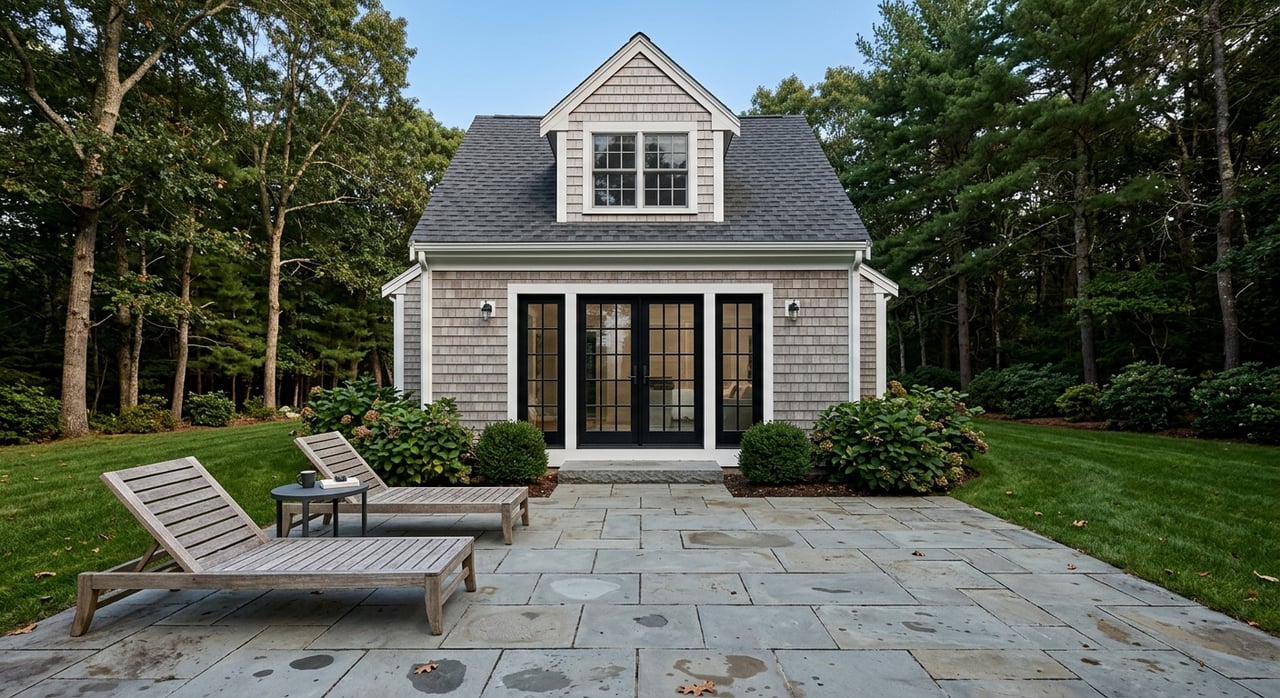
Estate areas in Chappaqua typically sit along roads such as Lawrence Farms Crossway, Haights Cross Road, Hardscrabble Road, Seven Bridges Road, Old Farm Road North, Commodore Road, and longer stretches of King Street. These areas tend to offer larger lots, more mature trees, and a more private setting. If you picture a wooded approach, a longer driveway, and more separation from neighboring homes, this is usually the category you are considering.
Recent examples from the research reflect that pattern. Estate-style offerings have included homes on roughly 2 to 8 or more acres, as well as land parcels with substantial acreage. This part of the market is typically a better fit if your top priorities are privacy, outdoor space, and a more secluded feel.
The biggest benefit is space. More acreage can give you flexibility for outdoor use, a quieter setting, and a stronger sense of separation from the center of town. Official town history also ties these areas to Chappaqua’s country-estate era, which helps explain why some roads still feel more expansive and less village-like today.
Many buyers are drawn to the atmosphere as much as the lot size. Wooded surroundings, winding roads, and distance from the downtown core create a different pace. If you want your home to feel more tucked away, estate areas often deliver that experience.
The tradeoff is convenience. You are usually farther from the train, shops, and walkable village amenities. Daily errands are more car-dependent, and commute planning can take a little more thought.
Maintenance can also be different. Larger lots often mean more exterior upkeep, whether that involves landscaping, driveways, drainage, or seasonal property care. If you love land but want less maintenance, this is an important point to consider early.
Not every Chappaqua home falls cleanly into a village or estate category. There is also a middle ground made up of cul-de-sac subdivisions and neighborhood roads such as Hardscrabble Lake, Green Lane, Cross Ridge, and Turtleback. These areas often offer a balance of privacy and practicality.
Recent examples in these pockets have clustered around roughly 1.2 to 1.7 acre lots, with a range of price points and home styles. They often feel more suburban than in-town Chappaqua, but they still keep access to schools, downtown, and the train fairly manageable.
For many buyers, this is the sweet spot. You may get a larger yard and a quieter setting without moving as far into the estate end of the market. If your priorities are mixed, these neighborhoods are often worth a closer look.
If you want Chappaqua but do not want the upkeep that can come with a larger property, condo and townhome communities may be worth considering. The two most notable options in the research are Old Farm Lake and Chappaqua Crossing. Each serves a different buyer profile, but both offer a more structured ownership style.
Old Farm Lake includes condos and townhomes, with recent examples ranging from about $421,000 to $845,600. Listing materials referenced in the research describe amenities such as a clubhouse, pool, tennis, and playground space, along with proximity to schools, downtown Chappaqua, the train station, Whole Foods, and Chappaqua Crossing.
Chappaqua Crossing is a higher price tier for attached homes, with recent examples around $1.625 million to $2.275 million. Official town materials describe it as a major mixed-use node about a mile north of the hamlet, with residential, retail, and office uses planned around it. In both communities, the main tradeoff is less private land in exchange for newer construction or lower exterior upkeep.
The fastest way to narrow your search is to rank your top lifestyle priority. In Chappaqua, that usually reveals the best fit quickly. Because inventory is limited, clarity matters.
Here is a simple way to think about it:
This framework will not replace seeing homes in person, but it can help you search more strategically. In a market like Chappaqua, focusing on how you want to live is often the best starting point.
All of these areas fall within the Chappaqua Central School District, but school assignments are address-specific. The research shows that even homes in different parts of Chappaqua can map to different elementary and middle schools. That means you should verify the exact parcel rather than assume a school assignment based on neighborhood name or proximity.
This is especially important if you are comparing homes across in-town, subdivision, and estate settings. Two homes that seem close together may not have the same school path. A careful address-level review can prevent confusion later.
Because Chappaqua is a compact hamlet, it does not divide into rigid, formal neighborhoods in the way some towns do. Instead, it offers a set of living patterns. Some homes put you close to sidewalks and the station, while others give you room to spread out and more privacy.
That is why the best buying decision here usually comes back to everyday life. How do you want your mornings to feel? How much outdoor space do you want to maintain? How important is a short trip to the train? Once those answers are clear, the map tends to make much more sense.
If you want help comparing Chappaqua’s in-town homes, cul-de-sac neighborhoods, and estate areas, Lena O'neill can help you sort through the options and focus on the locations that best match your goals.
Stay up to date on the latest real estate trends.
Her knowledge and expertise reward her with many personal referrals and repeat customers.