Living in Hastings-on-Hudson: What to Know Before You Move
February 5, 2026
February 5, 2026
Picture this: your day starts by the Hudson River, you grab coffee in a walkable downtown, then catch a train that reaches Manhattan in roughly 30 to 45 minutes. If that balance of village life and city access sounds appealing, Hastings-on-Hudson might be on your shortlist. You want to understand the vibe, the housing, the commute, and the trade-offs before you commit. This guide breaks it down so you can decide with confidence. Let’s dive in.
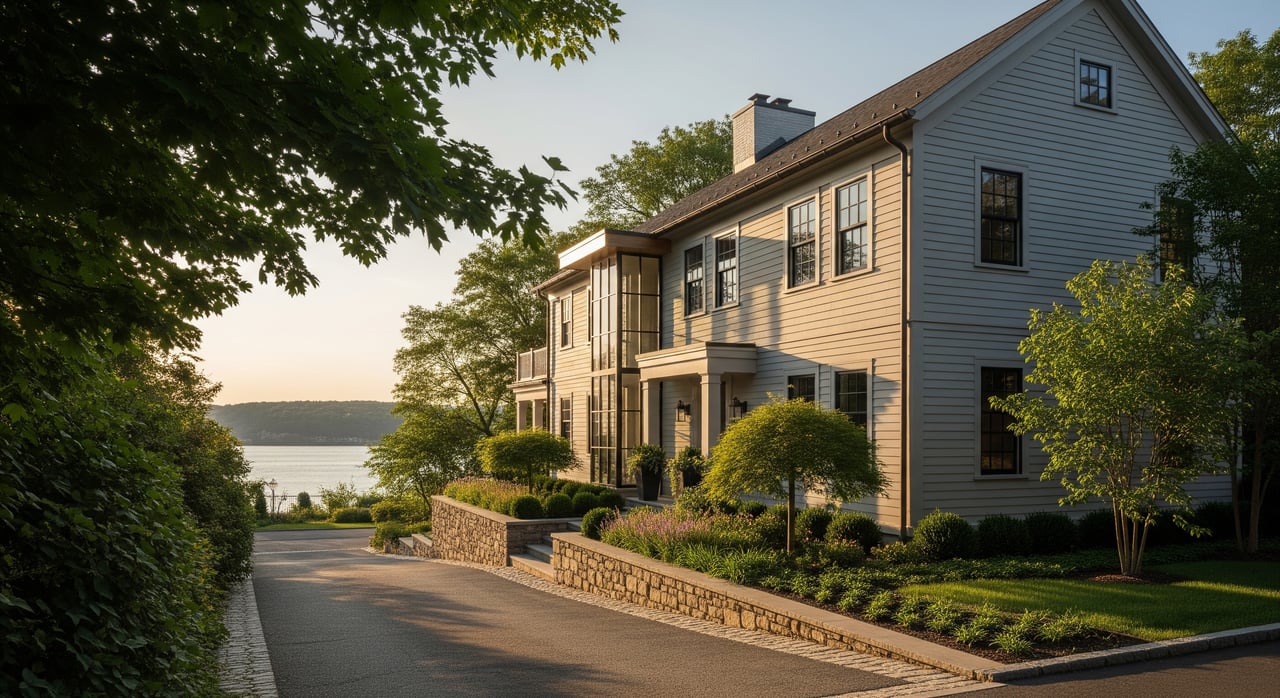
Hastings-on-Hudson is a small riverfront village in southern Westchester. The downtown hugs the Metro-North station, with hillside streets rising up from the river. You will find a community-oriented, arts-friendly atmosphere and active local involvement in schools and events. Many residents describe it as a blend of suburban calm and creative energy.
Hastings is known for older, character-rich homes on modest lots, plus a handful of multifamily buildings near the center. Inventory is limited due to the village’s small footprint, and new construction is rare.
Expect Victorian-era homes and early to mid 20th-century styles like Colonials, Tudors, and bungalows. Many properties sit on smaller lots than you might find farther north in the county. Higher-elevation streets can offer Hudson River views. Near downtown, you will see some duplexes, small apartment buildings, and walk-ups.
Addresses that are an easy stroll to the train often command a premium and sell faster. River views are a draw as well. Keep in mind that the most desirable features can narrow supply and intensify competition.
Many homes are older and may need updates to systems, foundations, windows, or roofs. A thorough inspection is essential. Local zoning and any historic considerations can shape renovation plans and permits, so you should verify requirements with the village building and planning departments before you finalize scope.
Property taxes in Westchester County are relatively high by national standards. As you budget, account for taxes, utilities, and potential renovation spending. Some lower-lying parcels close to the river fall within FEMA flood zones. If you are considering a property in these areas, verify the exact flood map zone, ask for any elevation certificates, and price out insurance options through the National Flood Insurance Program or private carriers.
Hastings offers a compact, friendly downtown with local flavor. For larger shopping trips, you will likely drive a short distance to bigger retail hubs in southern Westchester or White Plains.
The village center features cafés, independent restaurants, specialty food shops, and practical services like dry cleaners and salons. The train station area is the daily hub. You can handle many errands on foot if you live close to downtown.
You will find a concentration of independent options rather than national chains. Think cozy cafés, bakeries, and casual spots, with a few more formal choices for date nights or celebrations. Community arts organizations, local music, and seasonal events add to the creative feel.
Public riverfront parks provide space to walk, sit, and take in sunsets. Benches, trails, and picnic areas become popular gathering places in warm weather. Larger parks, conservation areas, and regional trails are a short drive away. Boating and kayaking are part of the broader Hudson experience, though routine commuter ferry service is not a defining feature of the village.
The public school district serves the village and is relatively small, which many families appreciate for community involvement and a small-class feel. To evaluate performance and programs, review New York State Education Department report cards and other neutral resources. Preschools, after-school activities, and youth sports are available through local providers and community groups, though availability can be limited, so plan ahead.
Hastings is built for rail commuters who value a predictable trip and a walkable station area.
The Hastings-on-Hudson station sits on the Metro-North Hudson Line with frequent service to Grand Central. One-way trips commonly fall in the 30 to 45 minute range depending on train type and time of day. Check current timetables before you plan your routine.
Driving to Manhattan is possible but traffic can be heavy and variable. Westchester parkways connect you to I-287, I-87, and the Palisades region. Local bus options exist but are more limited than rail. Biking is possible in spots, and walking works well for downtown errands.
High-speed internet and reliable cell coverage are generally available. Service levels can vary by provider and street, so confirm speeds for any home you are considering if remote work is part of your lifestyle.
Hastings is not one-size-fits-all. It has a distinct rhythm that attracts certain buyers.
Every market asks you to balance benefits with costs. In Hastings, consider these factors early.
A clear plan helps you move confidently in a small, competitive village.
Utilities are typical of suburban Westchester, with public water, sewer, and electricity serving most addresses. In neighboring areas outside the village you may find private wells or septic, so always confirm for a specific property. If you plan substantial renovations, review village zoning and speak with the building department to understand timelines and requirements.
Start with how you live day to day. If you want a walkable downtown, a strong rail link to Manhattan, and a close-knit, arts-friendly community, Hastings aligns well. If you prefer large lots, extensive new construction, or a car-first lifestyle, you may want to compare nearby towns. Consider a test commute, a weekend visit to the riverfront, and a stroll through downtown to gauge the fit. A local, data-driven advisor can help you weigh taxes, flood maps, and renovation scope alongside neighborhood character.
Ready to explore homes or plan a sale in Hastings-on-Hudson? Reach out to Lena O'neill to schedule a free consultation and get a tailored plan for your next move.
Stay up to date on the latest real estate trends.


Her knowledge and expertise reward her with many personal referrals and repeat customers.