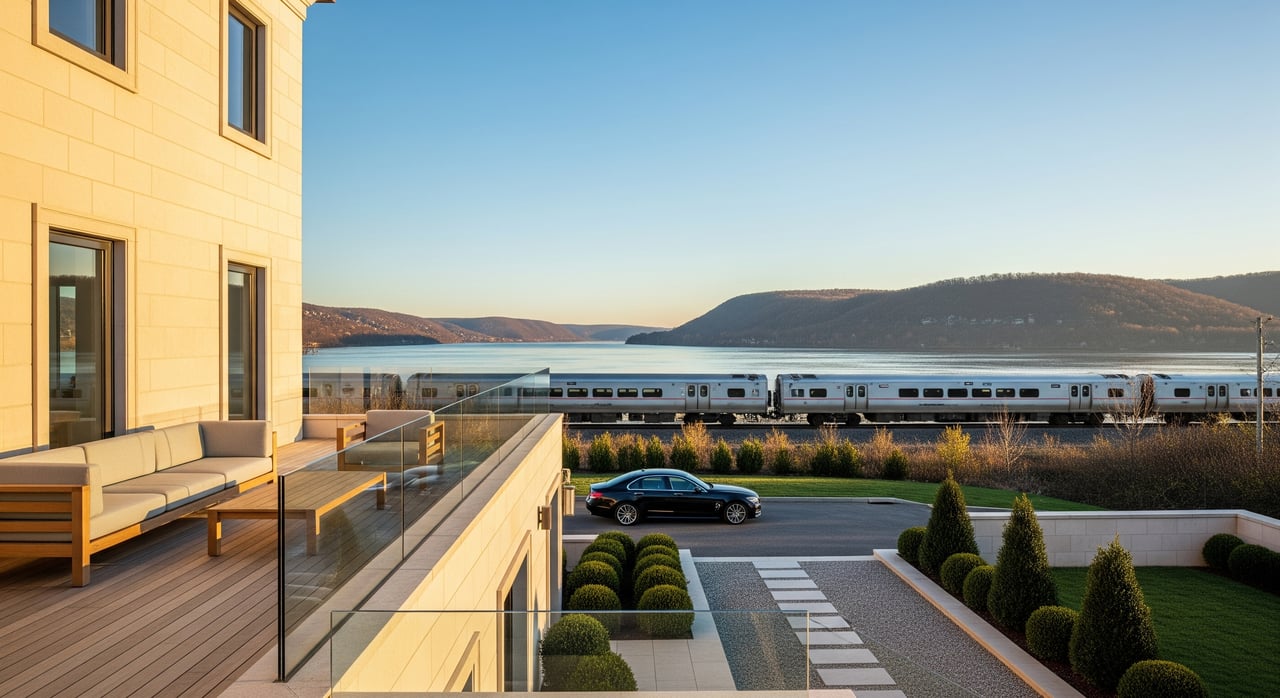
Dobbs Ferry Commute Guide to Trains, Traffic & Parking
December 4, 2025
December 4, 2025
Thinking about moving to Dobbs Ferry and wondering what your commute will really look like? You are not alone. Many buyers are drawn to the village feel and river views, but want a clear picture of train options, driving times, and station parking before making a decision. In this guide, you will learn how the Metro‑North Hudson Line works from Dobbs Ferry, what to expect if you drive, and how commute tradeoffs can shape your home search. Let’s dive in.
Dobbs Ferry sits on Metro‑North’s Hudson Line, which runs along the east bank of the Hudson River into Grand Central Terminal. Trains include both local and limited‑stop options. If your weekday schedule is predictable, the Hudson Line is often the most reliable way to reach Manhattan.
According to the Hudson Line schedule, express or limited trains typically take about 30 to 38 minutes to Grand Central, while local trains are usually around 40 to 50 minutes or more depending on stops. Service is more frequent during weekday peaks, with fewer trains in the middle of the day and on weekends. Always confirm exact times on the current Hudson Line schedule.
Transfers in Grand Central are straightforward for most Manhattan destinations. If you need to reach Stamford or Greenwich by rail, you will typically transfer in Manhattan because the Hudson Line does not run through to the New Haven Line. For local last‑mile options, the Bee‑Line bus network connects neighborhoods and nearby villages; check current Bee‑Line schedules and maps to see which routes align with your commute window.
Metro‑North uses peak and off‑peak fares, and monthly or other commuter ticket options can offer savings if you ride frequently. You can purchase tickets digitally or at station machines. Review current fare types and passes on the Metro‑North fares page when comparing total monthly costs to driving.
The Hudson Line is generally dependable, but delays can occur due to weather, track work, or incidents. Build a small buffer into your schedule and identify two or three trains that work for you in each peak window. For day‑of updates, check MTA service alerts before you leave.
Dobbs Ferry station has a typical Hudson Line setup with platform shelters, bike racks, and areas for drop‑off and pick‑up. If accessibility features are important to you, confirm current details on the Dobbs Ferry station information page.
Station‑area parking is limited and in high demand on weekdays. Expect a mix of municipal permit lots for commuters, a small number of daily or metered spaces, and residential areas with permit enforcement. Many permit programs use waitlists and have resident vs. non‑resident rules, and daily spaces tend to fill early. Before you place an offer, review current permit availability and policies on the Village of Dobbs Ferry site.
Driving can be flexible but is highly variable. Routes to Manhattan often use the Saw Mill River Parkway and Henry Hudson Parkway, with destination‑specific surface streets in the city. White Plains is typically via Saw Mill River Parkway north. Stamford usually involves I‑287 east to I‑95 or CT‑15, and traffic in those corridors can change quickly.
Tolls and parking can add up if you drive into the city or cross major bridges. For planning, review toll details through the New York State Thruway Authority’s tolls and travel information.
These conservative ranges reflect normal variability and occasional incidents. Your exact time depends on origin within Dobbs Ferry, day, and destination.
| Destination | Off‑Peak | Peak |
|---|---|---|
| Midtown Manhattan | 35–50 minutes | 45–90+ minutes |
| Downtown Manhattan | 45–70 minutes | 60–100+ minutes |
| White Plains | 20–30 minutes | 25–40+ minutes |
| Stamford, CT | 35–50 minutes | 45–75+ minutes |
Commute logistics often guide which neighborhoods you prioritize and which features matter most. Balancing proximity, parking, and lifestyle helps you zero in on the right fit.
Homes within a short walk of the station are especially appealing if you ride daily. Many buyers value the ability to skip the parking hunt entirely. If you plan to drive to the station, a home with a private driveway or garage can make day‑to‑day life smoother, especially during winter.
If you have school drop‑offs, after‑school activities, and lessons to juggle, you may prefer reliable off‑peak options and easy last‑mile logistics. A slightly longer walk can be fine if it simplifies afternoons or gives you driveway parking at home.
If you go into the office only a few days a week, you might prioritize space, outdoor areas, or a quieter street over being right next to the platform. In this scenario, total monthly cost and single‑trip reliability can matter more than maximum frequency.
Walkable, station‑adjacent blocks often see stronger demand and may command higher prices per square foot. Properties that include garages or ample off‑street parking can also be at a premium in compact river‑town neighborhoods.
Riverfront and hillside areas offer scenic settings and quieter streets, with a longer walk or short drive to the station. If you ride only a few days a week, that tradeoff can be well worth it.
Your ideal Dobbs Ferry home should support the way you actually commute, not just how you hope to. Whether you need a quick walk to the Hudson Line, a driveway for flexible drive‑and‑ride days, or a location that suits a hybrid routine, a thoughtful plan will save you time and stress. If you are weighing options across the river towns or within Dobbs Ferry itself, let a local advisor help you compare neighborhoods by commute and lifestyle. Connect with Lena O'neill to map your commute and shortlist homes that fit your day‑to‑day.
Stay up to date on the latest real estate trends.


Her knowledge and expertise reward her with many personal referrals and repeat customers.